
Corten Steel Raised Garden Beds for the UK: Drainage, BS EN Grade Notes and Contractor Buying Guide

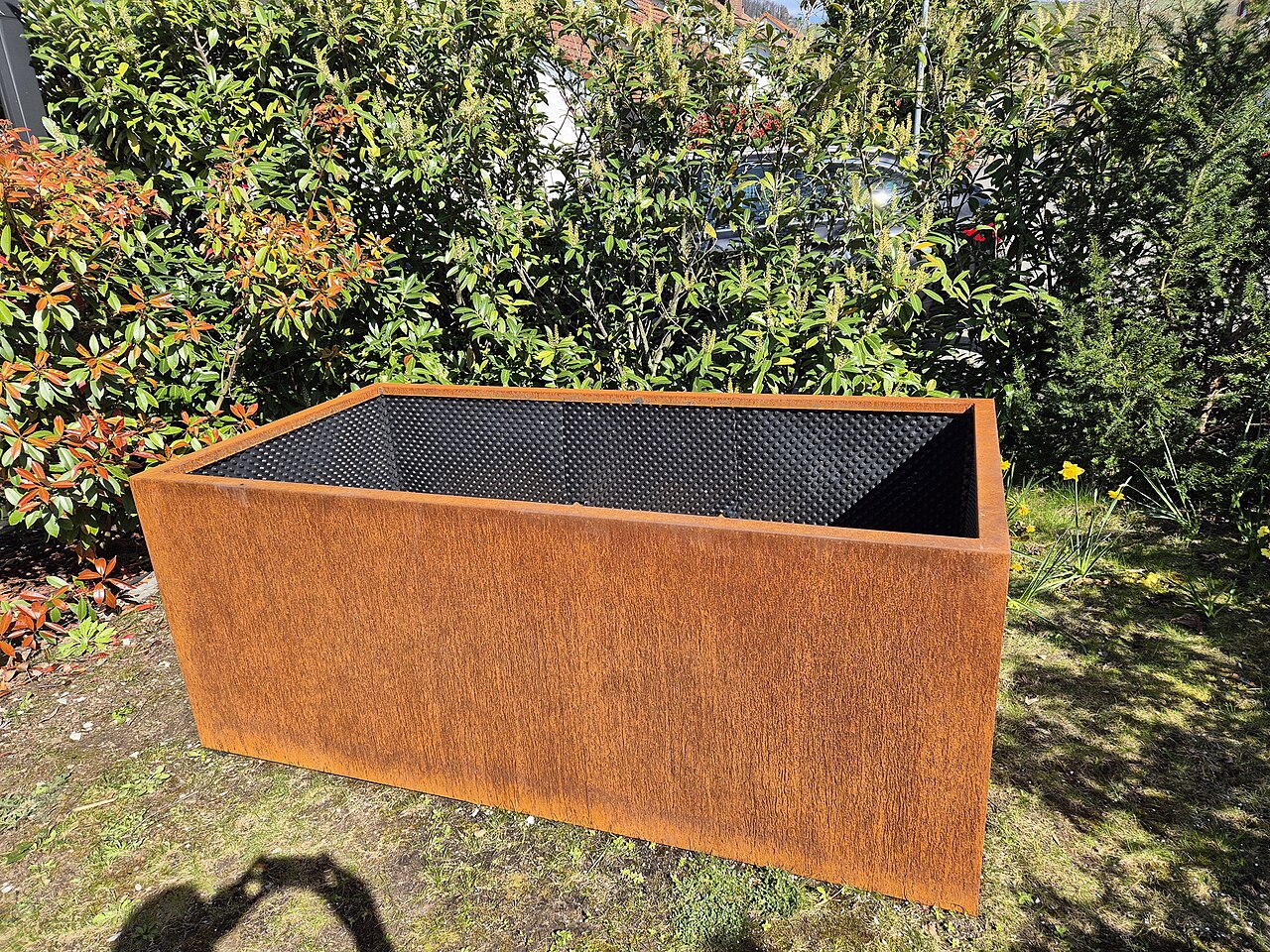
Corten Steel Raised Garden Beds for the UK: Drainage, BS EN Grade Notes and Contractor Buying Guide is written for landscape architects, architects, contractors, developers and procurement managers who buy weathering steel packages for real projects in the UK. The aim is practical: grade selection, thickness, drainage, fixing, packaging, inspection points and the commercial choices that protect margin on a bulk order.
the UK projects often ask CortenFactory for raised garden beds, planters and edging because the material gives a stable rust patina without paint cycles, yet the specification must still match exposure, water run-off, public access, fire or building rules, and local installation habits. A good tender package does not simply say “corten”; it states the steel grade, plate thickness, bend radius, weld finish, pre-weathering expectation, drainage route, anchor method and sample approval procedure.
Why Corten steel raised garden beds UK needs a regional specification
UK rain, freeze-thaw cycles, shaded courtyards and occasional coastal salt changes how weathering steel performs. Corten steel develops its protective oxide layer through wet and dry cycles. Where surfaces stay wet, are buried in soil, collect chlorides, or sit under constant irrigation spray, the patina can remain active for longer and staining can be heavier than the design team expects.
For B2B buyers in the UK, the main risk is not the steel itself. The risk is ordering a generic product that does not match the project package: wrong drainage hole layout, thin plate for long runs, unsuitable fasteners near the coast, no allowance for thermal movement, or crates that are hard to unload on a city site.
A factory order should therefore be based on drawings, installation notes and a clear inspection plan. CortenFactory can fabricate standard and custom weathering steel products, but the buyer should decide early whether the item is decorative, load-bearing, public-realm furniture, facade cladding, edging, a planter liner, or a fire appliance component.
Recommended material grades and thickness ranges
| Item | Typical recommendation |
|---|---|
| Steel grade | ASTM A588 / A606 Type 4 / EN 10025-5 S355J2W, confirmed by mill certificate |
| Planter or raised bed plate | 1.5-3.0 mm for small units; 3.0-6.0 mm for long public-realm modules |
| Facade or screen panel | 2.0-4.0 mm sheet for cassette/perforated panels; thicker subframes where span requires |
| Edging | 1.6-3.0 mm for garden edging; 4.0-6.0 mm for heavy municipal edges |
| Fire pit bowl or ring | 3.0-8.0 mm depending on diameter, heat exposure and cleaning method |
| Sculpture or water feature | 3.0-10.0 mm plate with internal stiffeners, lifting points and overflow detail |
| Fasteners | A4 stainless, hot-dip galvanized or isolated carbon steel selected for exposure class |
| Finish | Raw mill finish, cleaned raw steel, or factory pre-weathered sample agreed before production |
Corten steel versus common alternatives
Weathering steel is not the right answer for every the UK project. It is strong when the client wants a natural industrial surface, low repainting demand and a product that can be fabricated in large custom sizes. It needs more thought where run-off can stain pale stone, where children touch hot fire pit surfaces, or where salt spray is constant.
Powder coated mild steel gives tighter colour control at handover, but chips expose bare steel and require paint maintenance. Stainless steel handles wet zones well but costs more and has a different visual character. Galvanized steel is practical for hidden frames and farm-style edging, yet it does not give the same warm patina. Aluminium is light and corrosion resistant, but it dents more easily and needs thicker sections for stiffness.
Material comparison for buyers
| Material | Best use | Buyer caution |
|---|---|---|
| Corten / weathering steel | Public landscapes, planters, screens, facade accents, sculpture | Needs drainage, staining control and correct exposure |
| Powder coated mild steel | Projects needing stable colour and low initial cost | Coating damage and repainting must be budgeted |
| Stainless steel 316 | Marine splash zones, fountains, hygiene-sensitive details | Higher cost and glare; different aesthetic |
| Galvanized steel | Hidden frames, utility edging, agricultural landscape work | Zinc finish may not suit premium architectural briefs |
| Aluminium | Light screens and removable panels | Less impact resistance; larger sections may be needed |
Local climate and code notes for the UK
UK work should be coordinated with the Building Regulations, CDM duties, local planning conditions, fire strategy for roof terraces and BS EN material references. For public landscapes, check trip hazards, accessible routes and edge visibility.
Specifiers should mark exposure zones on drawings: sheltered facade, irrigated planter, waterfront, road-salt zone, roof terrace, public park or hospitality deck. A single project in the UK can contain several exposure levels, and each may need different plate thickness, fastener isolation and run-off control.
Local building, fire and accessibility rules remain the responsibility of the project engineer and authority having jurisdiction. The factory can support drawings and material certificates, but final structural checks, wind loads, flame clearances, public safety barriers and drainage approvals should be signed off locally.
Specification checklist before requesting a quote
- Project city and exposure: coastal, inland, urban pollution, snow, desert dust, tropical rain or roof terrace.
- Product type and role: decorative cladding, planter, raised bed, edging, screen, fire pit, water feature or sculpture.
- Overall dimensions, module lengths, visible faces, corner details, bends, perforation pattern and preferred joint width.
- Required steel grade, thickness, mill certificate, weld inspection level and whether samples are needed.
- Drainage plan: weep holes, overflow, root barrier, geotextile, gravel layer, irrigation route and stain management.
- Fixing method: base plates, anchor bolts, concealed brackets, subframe, adjustable feet or stake system.
- Packaging: crate size, forklift pocket direction, site unloading limits, carton labels and spare parts list.
- Commercial terms: Incoterm, target delivery date, inspection hold point, payment milestones and warranty language.
Procurement and installation details that save rework
Most problems start when the fabrication package is too vague. A contractor may receive beautiful panels that do not match the subframe, planters with too few drainage holes, or edging sections that cannot follow the designed radius. The purchase order should include approved shop drawings rather than only a mood board or product photo.
For long planters and raised beds, specify internal stiffeners or folded top edges to control bowing. For screens and facade panels, define fixing slot direction and thermal movement. For fire pits, agree ash removal, gas certification responsibilities, burner sourcing and clearance from combustible surfaces. For water features, separate structural steel from pump, liner and waterproofing responsibilities unless the factory is supplying a full package.
On arrival, inspect crate condition, count modules, check labels against the packing list, and photograph any transit damage before unloading. Keep raw weathering steel dry but ventilated before installation. Avoid plastic wrapping left tight against the surface in rain, because trapped moisture can create uneven marks before handover.
Indicative B2B cost and specification table
| Package | Indicative FOB range | Specification note |
|---|---|---|
| Small raised beds | US$80-180 per set | 1.5-2.0 mm folded sheet, carton or pallet |
| Commercial planter modules | US$220-780 per unit | 2.0-4.0 mm, stiffened long faces |
| Heavy edging | US$6-18 per linear metre | Stake or spiked fixing, 1.6-3.0 mm |
| Custom courtyard package | Quoted by drawing | Drainage, liners, labels and crate plan included |
Project applications in the UK
UK courtyards, school gardens, hospitality terraces, office roof gardens and municipal planting schemes usually need clean edges, predictable drainage and safe public contact surfaces.
For architects, the strongest the UK applications use weathering steel where it can weather evenly and where run-off is deliberately managed. For contractors, the best applications are modular, labelled, easy to set out, and tolerant of site sequencing. For procurement managers, the best applications have repeatable sizes, agreed samples and a clear spare-parts policy.
Internal resources for faster specification
Useful CortenFactory pages for this package include UK corten garden edging, corten steel products, custom corten fabrication, contact CortenFactory.
Authority references
For background reading and local design checks, review UK Building Regulations guidance, EN 10025-5 weathering steel standard, World Steel construction resources.
Common buyer questions
Will Corten steel stain paving in the UK?
It can during early weathering, especially after rain. Use drip edges, gravel margins, darker paving bands, stand-off feet and planned drainage paths. Do not place fresh weathering steel directly on pale porous stone without a staining strategy.
Can the factory ship pre-weathered products?
Yes, a pre-weathered sample can be agreed, but colour still changes after installation. Buyers should approve a range rather than one exact colour chip.
What documents should be requested with a bulk order?
Ask for shop drawings, packing list, material certificates, welding notes where relevant, surface finish notes, installation guidance and product photos before shipment.
Is Corten suitable for coastal projects?
It can be used in many coastal projects, but constant salt spray or trapped moisture needs special review. Increase drainage, avoid crevices, isolate fasteners and consider stainless details in severe zones.
How should architects write the tender description?
State weathering steel grade, thickness, visible finish, sample requirement, drainage and fixing method, tolerance, packaging and the requirement for factory shop drawings before production.
Purchasing advice
For a the UK tender, do not buy only on the lowest plate price. Compare steel grade, thickness, welding quality, stiffening, drawing support, crate design and the supplier’s willingness to discuss local exposure. A slightly heavier section with correct drainage often costs less than replacing stained paving or reworking brackets on site.
Send CortenFactory drawings, target quantity and site photos if available. The factory can quote standard modules or custom fabrication for raised garden beds, planters and edging, then refine thickness, fold detail, drainage and packaging before mass production.
Detailed design notes for architects and landscape teams
In UK, the first design decision is whether the raised garden beds package is visual cladding, a retaining element, a planting container, a heat appliance, or a public-contact object. The answer changes the drawings that should be sent to the factory. Visual panels may only need face dimensions, hole patterns, fixing zones and finish samples. Planters need internal soil pressure, drainage outlets, overflow position, liner detail and lifting method. Fire pits need heat distortion allowances and local approval responsibilities. Public screens need wind load, base plate design and safe edges. Treating all of these as the same “corten item” is the usual cause of site problems.
A practical UK submittal should include a general arrangement drawing, module schedule, finish note, fixing section and packing plan. If the design is still early, send concept sketches with target dimensions and the factory can suggest a buildable module size. For tender issue, however, every visible joint and every anchor point should be resolved. Weathering steel is forgiving in colour, but it is not forgiving when a bracket is hidden behind a finished wall or when an overflow hole sits above a pale stone step.
Architects should also decide whether the weathering process is part of the handover story. Raw Corten may arrive blue-grey or dark mill scale and then turn orange-brown on site. Pre-weathering gives a more mature look at installation, but it still changes with rain, touch, dust and sunlight. The best specification describes an acceptable colour range and asks for a physical sample, not a single digital colour target.
Drainage, run-off and staining control
UK buyers often focus on the patina colour, but drainage is more important. Weathering steel protects itself when water drains away and the surface dries. If soil, mulch, fallen leaves or standing water remain against the steel, the oxide layer can keep moving. The result may be heavier run-off, uneven colour or local metal loss. For rain gardens, schools, public courtyards and roof terraces, draw the water path before approving production.
- Keep the bottom edge clear of permanent wet soil and avoid burying raw Corten directly below finished grade.
- Use gravel margins, stainless drip edges, sacrificial splash zones or darker paving where early rust run-off is expected.
- For planters, separate planting media from the steel wall with a root barrier or liner, and provide a gravel drainage layer below the soil.
- For facade panels, keep a ventilated cavity behind the panel and avoid ledges that trap wet debris.
- For screens, isolate the base plate from ponding water and detail weep paths inside folded frames.
- For fire pits, design ash and rainwater clean-out so that wet ash does not sit against the bowl after use.
The buyer should ask the contractor to photograph drainage layers before soil or paving covers them. These photos are useful for warranty records and for later maintenance. They also reduce arguments between the landscape contractor, facade installer and metal supplier when staining appears during the first wet season.
Thickness, stiffness and tolerance planning
Plate thickness should be chosen for stiffness, handling and exposure, not only for price. Thin sheet can be suitable for small residential planters or short edging pieces, but long commercial modules need folded returns, internal ribs or heavier plate. In UK, long panels exposed to wind, snow storage, roof movement, irrigation or public impact should be reviewed by an engineer or by the project metalwork subcontractor before bulk order.
| Detail | Suggested buying rule |
|---|---|
| Long planter face above 1200 mm | Use folded top edge, return flange or internal bracing to reduce bowing |
| Tall privacy screen | Confirm wind load, post spacing, base plate size and anchor type before production |
| Facade cassette | Define panel flatness tolerance, joint width and slotted hole direction |
| Curved edging | Send radius drawing; do not assume straight sections will form a clean curve on site |
| Fire bowl over 800 mm diameter | Increase plate thickness or add stiffening to reduce heat distortion |
| Public sculpture | Add lifting lugs, concealed base plates and approved weld maps where needed |
Tolerance should also be written into the order. Laser cut panels, folded planters and welded sculptures cannot be judged by furniture tolerances unless the price and inspection plan allow for that level of work. For most landscape metalwork, a small dimensional tolerance is normal and should be hidden inside adjustable brackets, wider joints or site-set base plates.
Fasteners, subframes and isolation details
BS EN weathering steel, CDM coordination, local planning and accessible public-space detailing. Even when the Corten panels are non-structural, the subframe and anchors may carry wind, impact or live loads. A factory can fabricate panels and frames, but the project engineer should confirm anchor pull-out values, substrate strength and movement joints for the local building.
Do not mix metals casually. Stainless fasteners are common for visible fixings, but stainless, galvanized and carbon steel all need sensible isolation depending on moisture and contact area. Nylon washers, EPDM pads, slotted holes and stand-off spacers are low-cost details that can prevent staining streaks, crevice corrosion and bolt seizure. For facade work, avoid placing dissimilar metal swarf inside the cavity during drilling. Clean cut edges and remove grinding dust before panels are packed.
Fabrication quality and inspection points
For bulk orders, inspection should happen before everything is packed. The buyer can request photos of the first article, weld close-ups, dimensions with a tape, packed crate labels and the mill certificate. For laser cut screens, inspect the pattern scale and edge quality. For planters, inspect corner welds, liner compatibility and drainage holes. For facade panels, inspect fold direction, hole positions and panel labels. For fire pits, inspect bowl roundness, ash clean-out and any burner support plate.
- Approve one sample or one first article before full production starts.
- Confirm that every module label matches the installation drawing.
- Ask for spare fasteners and touch-up instructions even when the surface is meant to weather naturally.
- Check that crates can pass through the site gate, loading dock or tower crane lifting plan.
- Keep a photo record of crate condition on arrival and before unpacking.
Shipping, packaging and site handling
For UK import projects, packaging is part of the product. Weathering steel is heavy and can mark itself during transit if modules rub together. Large panels should be separated with timber, foam or cardboard where contact would damage visible faces. Planters should not be stacked so tightly that water is trapped between sheets. If the buyer needs sequential installation, crates should be packed by elevation, zone or floor rather than by product type only.
Ask for a packing list that shows crate number, gross weight, net weight, module IDs and recommended lifting points. Contractors should plan forklift capacity before the container arrives. A delay at unloading can cost more than the saving from a cheaper packing method. For roof projects, split heavy planters into manageable modules and join them on site if crane time or lift capacity is limited.
Maintenance plan after handover
Corten steel is often described as low maintenance, not no maintenance. The owner should keep drainage routes open, remove wet leaf build-up, check irrigation overspray, and clean adjacent pale surfaces during the early weathering stage. In public areas, inspect sharp edges, loose anchors and impact damage after the first season. For fire pits, remove wet ash and avoid chemical cleaners that attack the patina. For water features, separate steel maintenance from pump and waterproofing maintenance.
A simple maintenance sheet for UK should state what colour change is normal, what staining is expected during the first months, how to clean nearby paving, which fasteners to inspect and when to contact the supplier. This sheet protects the architect and contractor because the client understands that the finish is alive rather than painted.
How to compare factory quotations
Two quotations can look similar while hiding different products. One may include thicker plate, internal stiffeners, labelled crates, mill certificates and shop drawing support. Another may list only square metres or unit count. Ask each supplier to quote against the same drawing set and the same notes. If a supplier substitutes mild steel for weathering steel, reduces thickness, changes the fixing system or omits packaging, the price is not directly comparable.
| Quote item | What to verify |
|---|---|
| Steel | Grade, standard, thickness and certificate availability |
| Fabrication | Laser cutting, bending, welding, grinding and visible edge finish |
| Surface | Raw, cleaned or pre-weathered; sample approval process |
| Fixings | Included or by others; grade and isolation washers |
| Drawings | Shop drawings, module labels and revisions included |
| Packing | Crate type, weight, sequence and moisture protection |
| After-sales | Spare parts, installation guidance and defect photo process |
Specification wording buyers can adapt
Weathering steel raised garden beds for UK project to be fabricated from certified weathering steel plate, grade ASTM A588/A606 Type 4 or EN 10025-5 S355J2W unless noted otherwise. Supplier to provide shop drawings, material certificates, visible finish sample, drainage and fixing notes, labelled modules and export packing suitable for site unloading. All dimensions, fixing points, folds, perforations, welds and lifting points to be approved by the contractor before production. Final structural, fire, waterproofing and code compliance to be checked by the local project team.
This wording is not a substitute for a project specification, but it gives procurement teams a better starting point than a product photo. Add drawings, exposure notes and performance requirements before sending it to bidders.
Risk register for design and procurement teams
A risk register is useful on weathering steel work because the same product can sit beside planting, paving, glass, waterproofing, flames or public seating. The register should be short enough for site teams to use, but clear enough to assign responsibility before the purchase order is placed. Typical items include early rust run-off, mismatch between subframe and panel holes, trapped moisture behind folded edges, forklift damage, late changes to irrigation, and unapproved substitution of fasteners. Each item should have an owner, a drawing reference and a close-out action.
For large orders, ask the supplier to comment on buildability before the tender is frozen. Factory feedback may identify a bend that is too tight for the selected thickness, a crate that exceeds normal handling limits, a perforation pattern that weakens the panel edge, or a planter module that would bow under saturated soil. Fixing these issues in drawings is cheap; fixing them after shipment is expensive.
- Assign staining control to the landscape or facade package, not to nobody.
- Confirm who drills site holes and who protects cut edges after drilling.
- Keep irrigation spray away from visible Corten faces where possible.
- Record approved samples in daylight and shade so colour expectations are realistic.
- List all items supplied by others, including burners, pumps, waterproofing, anchors and lifting gear.
Factory communication timeline
The best timetable starts with a rough budget price, then moves to drawing review, sample approval, first article approval, bulk production, packing photo review and shipment. Rushing straight from concept image to container booking increases the chance of wrong openings, weak corners or crates that do not match the site sequence. A normal custom order should leave time for one drawing revision after the factory reviews the details.
For repeat buyers, a master specification can shorten later orders. Keep approved thicknesses, corner details, drainage patterns, crate labels and finish notes in one file. When a new project begins, only the dimensions and local exposure notes need changing. This gives procurement teams better cost control and gives architects a more predictable result.
Pre-shipment quality control checklist
| Checkpoint | Evidence to request |
|---|---|
| Material | Mill certificate, grade mark or supplier certificate matching the purchase order |
| Dimensions | Photos showing critical dimensions, module labels and drawing revision number |
| Welds and folds | Close photos of visible corners, stiffeners, base plates and drainage holes |
| Finish | Sample comparison or first article photos under neutral light |
| Packing | Crate photos, gross weight, module list and lifting direction |
| Documents | Packing list, invoice, installation notes and spare parts count |
This checklist is simple, but it prevents many disputes. If the buyer approves the first article and packing photos before shipment, both sides have a shared record of what was supplied. If the site later reports damage or missing items, the team can compare arrival photos with the factory record and resolve the issue faster.
Budget planning beyond unit price
Unit price is only part of the installed cost. Weathering steel can reduce repainting cycles, but the project still needs local anchors, waterproofing, lifting, storage space, protection of adjacent finishes and early cleaning of run-off. For public projects, include mock-up cost, engineer review, site samples and a small spare quantity for future replacement. For hospitality work, include cleaning instructions for staff because aggressive chemicals can mark the patina.
When comparing a domestic metalworker and an overseas factory, include drawing support, packing quality, freight, customs, delivery to site and the value of custom repetition. Overseas fabrication often makes sense for repeated planters, screens and facade modules. Local fabrication may be better for one-off emergency brackets or items that need measurement after surrounding work is complete. Many strong projects use both: factory-made main modules and local adjustment pieces.
Handover notes for owners and facility managers
The owner should receive a one-page handover note explaining that weathering steel changes colour, may release rust-coloured water during the early stage, and should not be sealed or painted unless the specification calls for it. The note should show how to clear drains, how to wash nearby paving, how to inspect anchors and who to call if standing water remains after rain. This avoids unnecessary complaints when the material behaves normally.
For planters and raised beds, the handover note should include soil depth, drainage layer, irrigation setting and root barrier information. For facade panels and screens, include access points and cleaning cautions. For fire pits, include ash removal and local gas service contacts. For water features, include pump access and winter shutdown requirements where relevant.
Need a factory quote for Corten Steel Raised Garden Beds for the UK: Drainage, BS EN Grade Notes and Contractor Buying Guide?
Send your drawings, size list, quantity and destination country. Corten Factory can support custom weathering steel fabrication, export packing and project quotation.